Thank you to all who participated.
We had AI summarise your conclusions.
Looking forward to seeing you at the next Salon Philosophique. — Martin & Jon
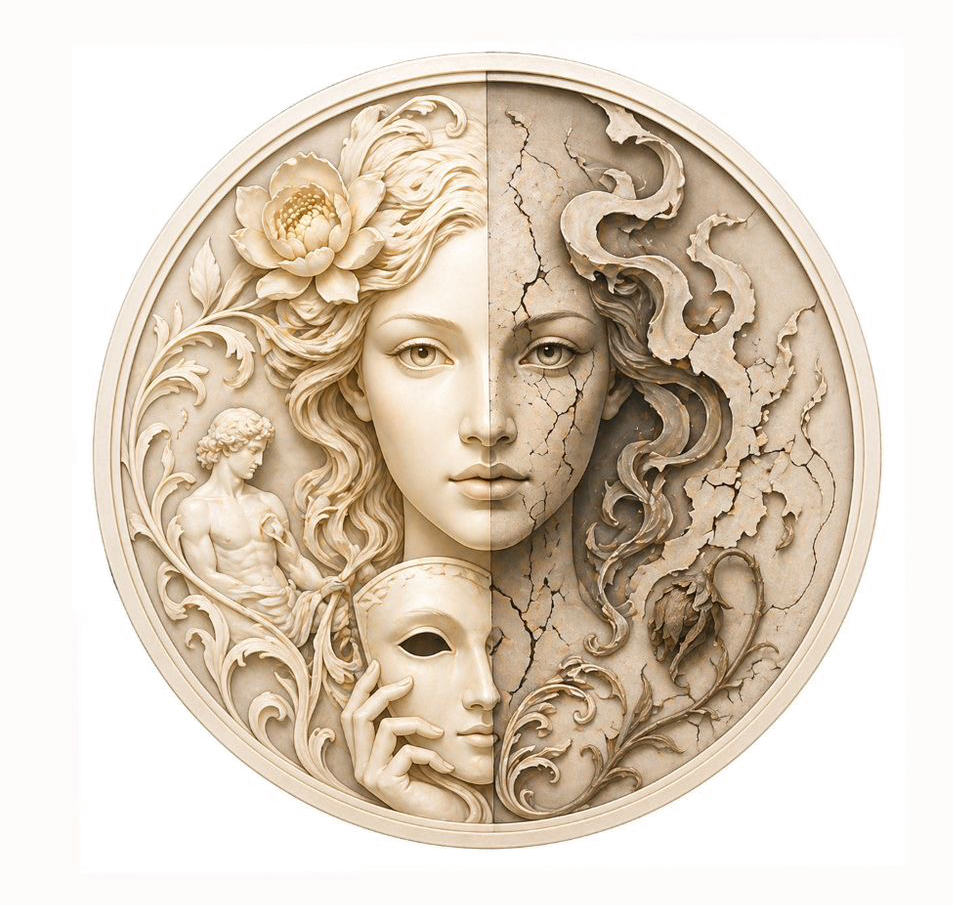
art = artist ?
The salon questioned if an artist can be separated from their art. The Salon found strong arguments against fully separating art from the artist, emphasizing moral accountability and the inseparability of creator and creation. One participant asserted, “The character of the artist is part of who he is and who he is part of his art. His choices impact his legacy as an artist and the biggest work of art is our personal character.” Another concluded that “art can be separated from the artist only by death,” adding that beforehand the artist “has to be responsible for his interaction with society.”
The Salon questioned the implications of endorsement, noting how “when we talk about contemporary Russian Z-artists, we both agree that we can not even see what they are doing,” and warned that consuming problematic work risks “Society rewarding a criminal and encouraging the perpetration of similar Crimes.”
The Salon explored numerous arguments in favor of separation, celebrating art’s transcendent and exploratory power. Participants highlighted how “Art is far bigger than the one individual signing it. This is the testimony of history and a collective heritage,” One voice described artists as “transistors” who “get their ideas and thoughts from outer space,” while another observed, “Being able to play with the dark, does not mean you have it inside of you.”
The Salon found resonance in the idea that “A work of art should be appreciated for itself because when its creator disappear the work itself stays forever,” and that art remains “an esoteric, mystical experience of the world” capable of provoking deeper reflection: “The whole point of art is not necessarily if you agree with the point of view of the artist, but that it makes you think and perhaps reconsider your own point of view.”
In the end, the Salon found that views favoring separation dominated the discussion, though tempered by personal boundaries and ethical nuance. While moral red lines were respected — particularly around severe harm — the prevailing sentiment leaned pragmatic: art, once released, “takes on its own life” and “once the artist is no longer in existence, the art needs to be regarded as an independent body of work.” The conversation affirmed that “Art is an exploration of good as well as evil,” and that an artist “manages and retranscribes his explorations, good or bad. We can judge him, we can sacrifice him but he advances knowledge.”
Ultimately, the Salon embraced this subjective, evolving dialogue as essential to understanding art’s enduring power beyond its flawed human origins.